HISTORY AND CURRENT FUNCTION OF THE BUILDING AT 1 FRYDERYK CHOPIN STREET IN PRZEMYŚL
History of the Building and the Congregation of the Servants of Jesus
The building located at 1 Fryderyk Chopin Street in Przemyśl has been associated with the Congregation of the Servants of Jesus for more than a century. The congregation was founded in 1884 by Blessed Father Honorat Koźmiński and Eleonora Motylowska. It belonged to the so-called “hidden religious congregations,” whose members did not wear religious habits and carried out apostolic work within secular society. The congregation was established in response to the difficult situation of young women leaving their rural homes and moving to cities in search of employment.
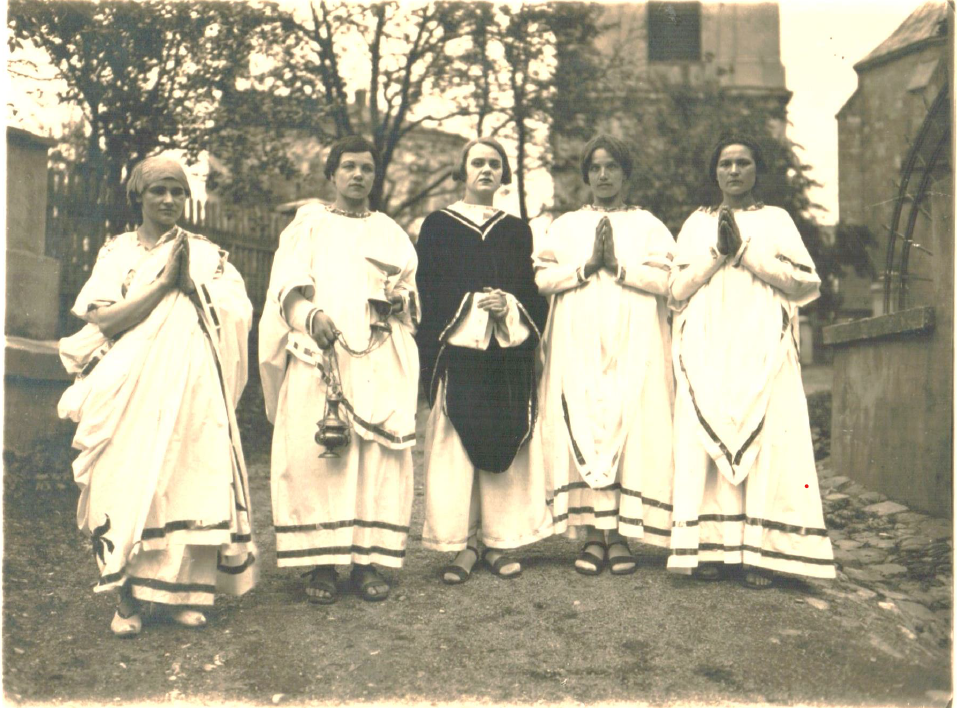
The beginnings of the Servants of Jesus’ work in Przemyśl date back to 1897. At the request of Princess Jadwiga Sapieżyna of the Sanguszko family, President of the Society of St. Vincent de Paul, the first sisters—Scholastyka Władyczko and two companions—arrived in the city. Their mission was to support poor young women who came to Przemyśl seeking employment and were often exposed to exploitation and difficult living conditions.
Initially, the sisters rented accommodation at 11 Grodzka Street, then continued their work in the so-called “Organistówka” building, and from 1900 occupied part of the Felician Sisters’ house on Ogrodowa Street. The rapid growth of their social work and the increasing number of beneficiaries soon made it necessary to acquire a permanent headquarters.
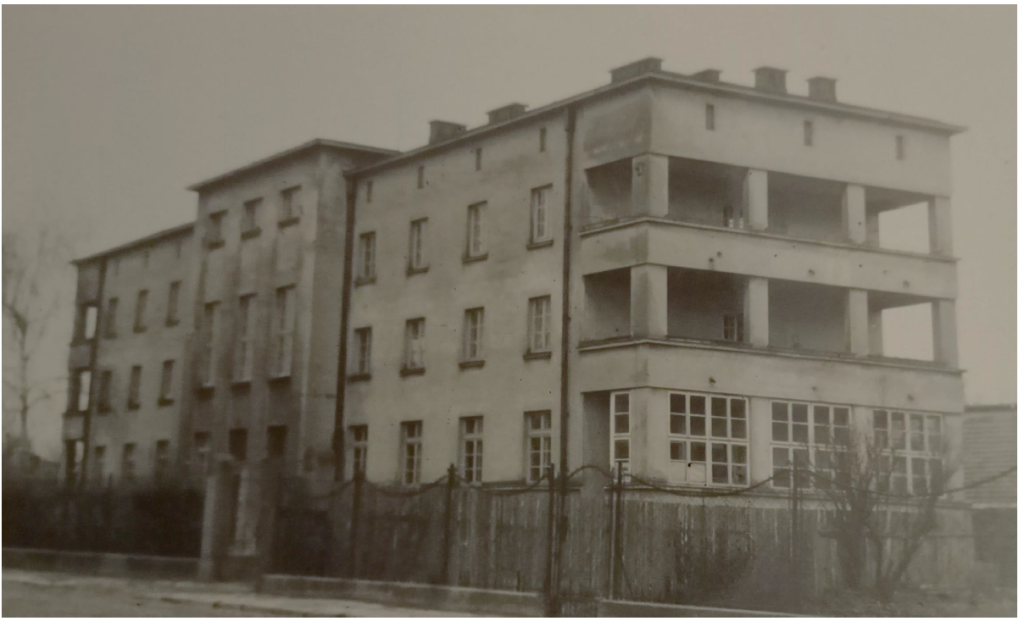
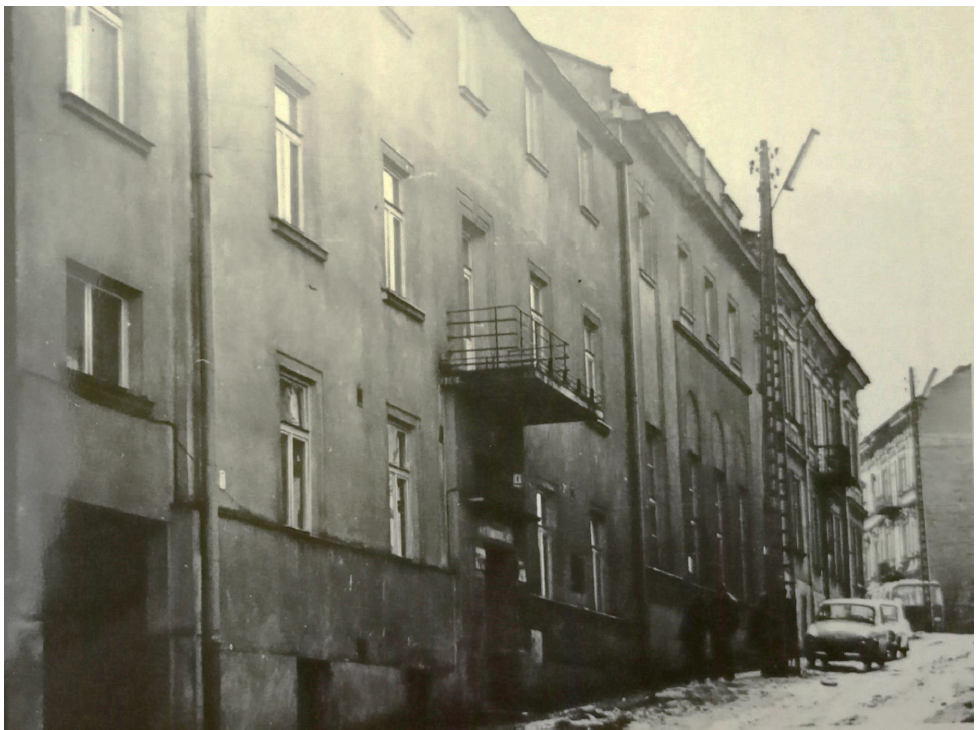
On 11 May 1901, a one-story house with a plot of land was purchased at what was then 1 Zielona Street, now 1 Fryderyk Chopin Street. The building became the Home of Care for Domestic Workers under the patronage of St. Anthony and, over the following decades, developed into one of the most important centers of social assistance and educational work in Przemyśl.
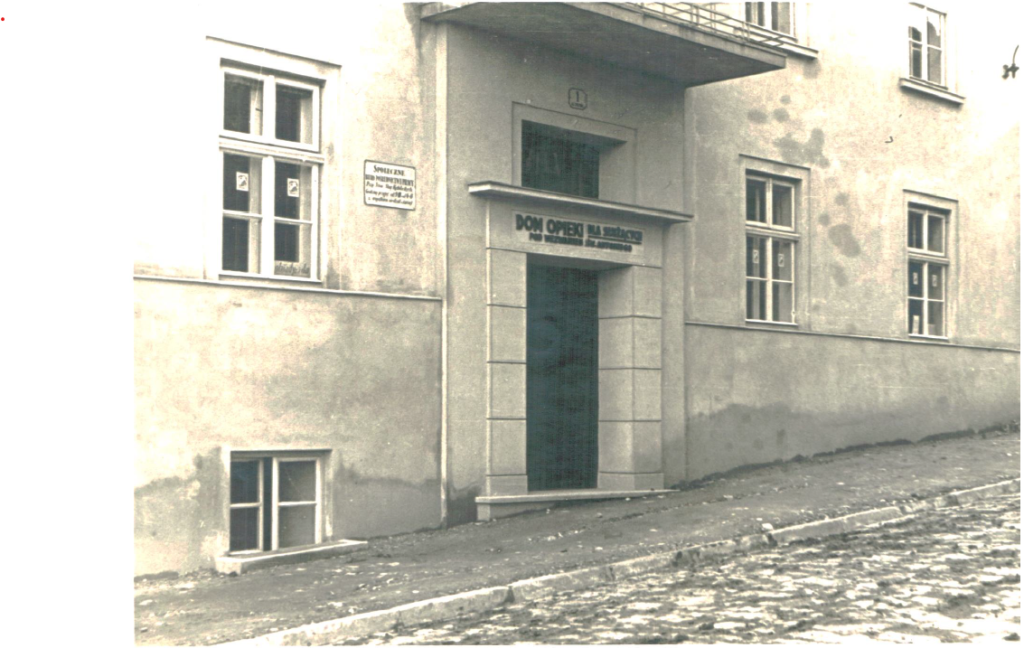
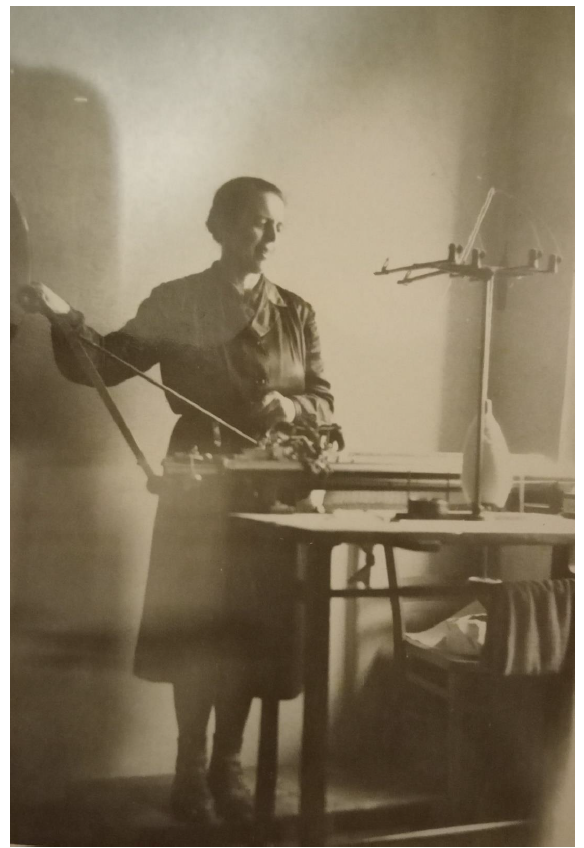
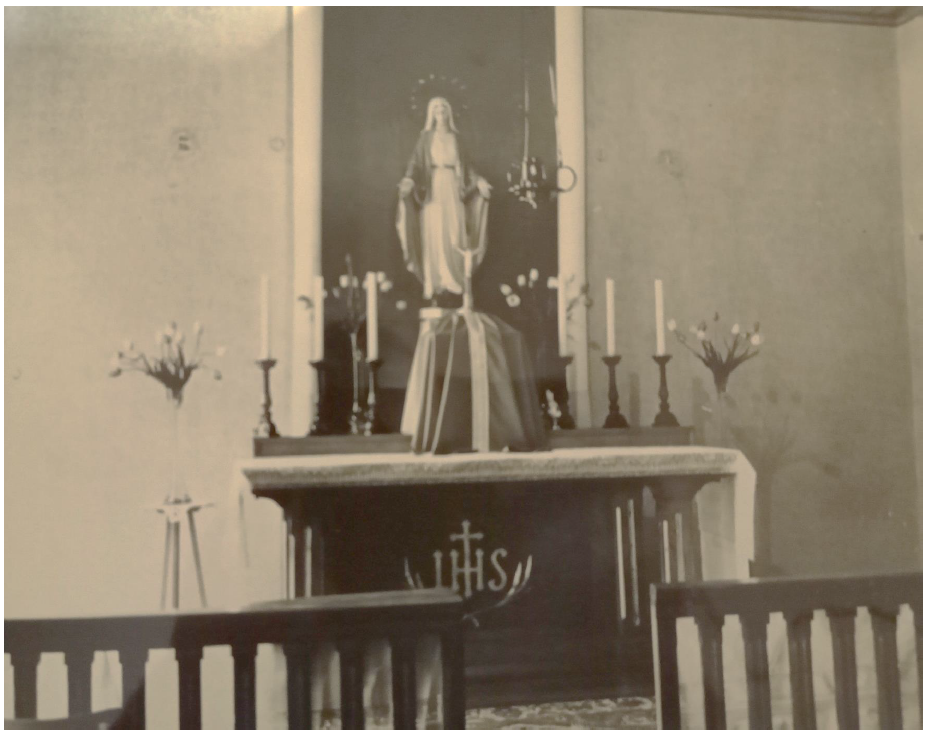
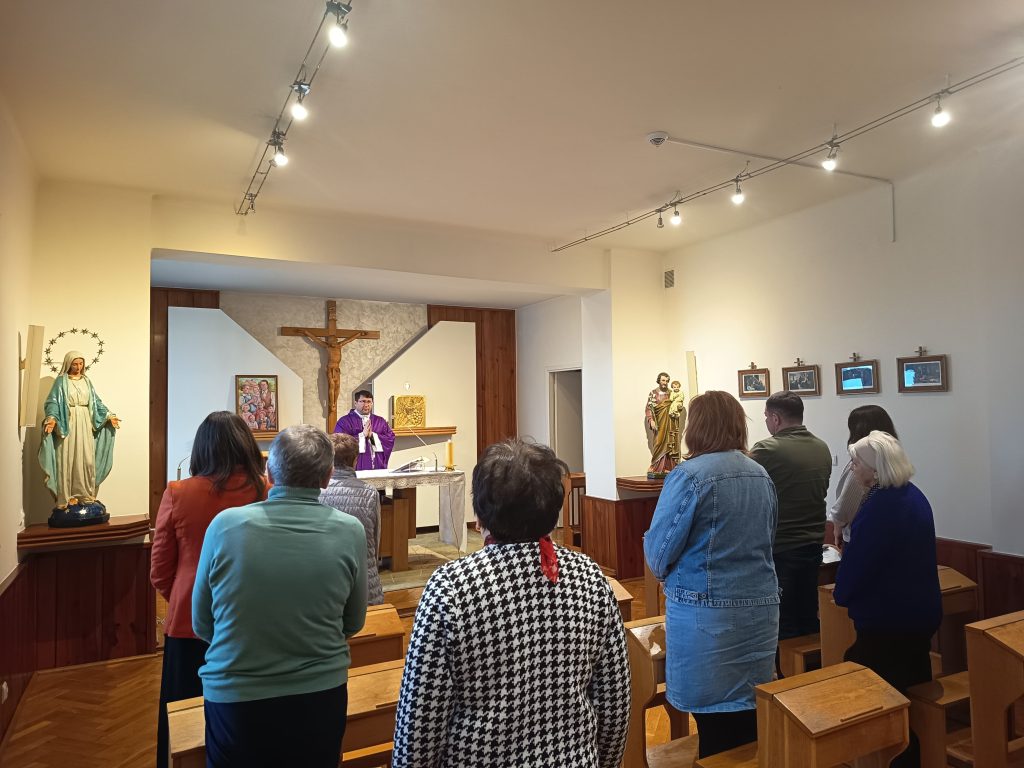
The house housed an employment agency, a kitchen for the poor, a laundry, an ironing facility, a chapel, and a shelter for girls who were unemployed or looking for work. The sisters organized vocational and educational courses, helped women acquire practical household skills, operated a library, and provided spiritual and moral guidance.
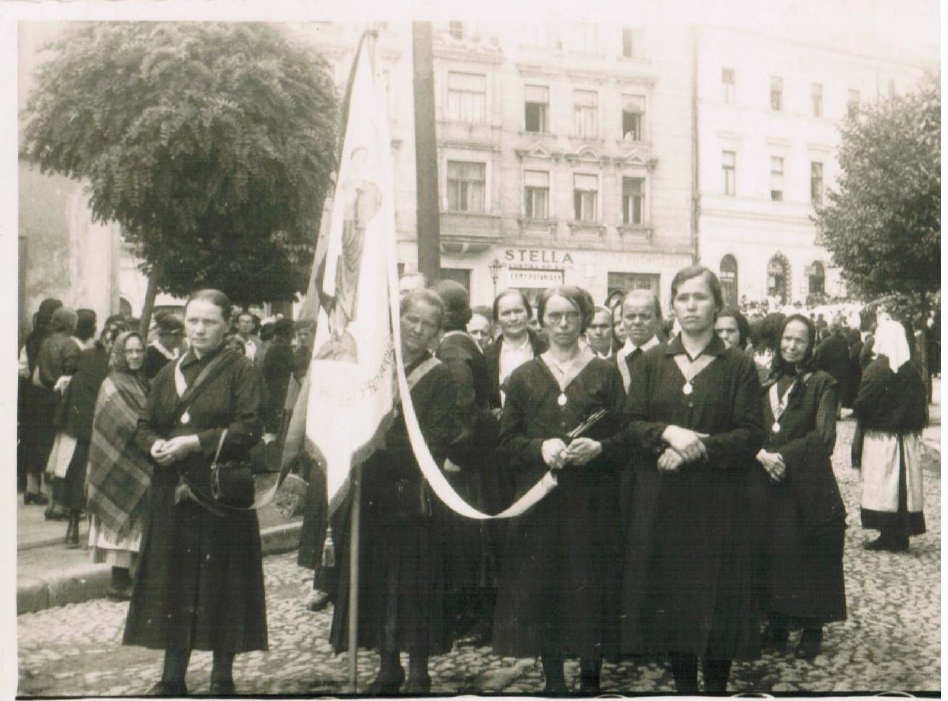
As the work expanded, the Association of Catholic Domestic Workers under the patronage of St. Zita was established. The organization brought together women employed as domestic workers and maintained assistance funds for the sick, supported members facing hardship, and helped young women beginning independent lives. In 1931 the association received its own banner and became one of the largest women’s organizations of its kind in the region.
The scale of activity became so significant that the building was expanded in 1929–1930. A large meeting hall and an additional floor were added, making it possible to further develop educational, religious, and social programs.
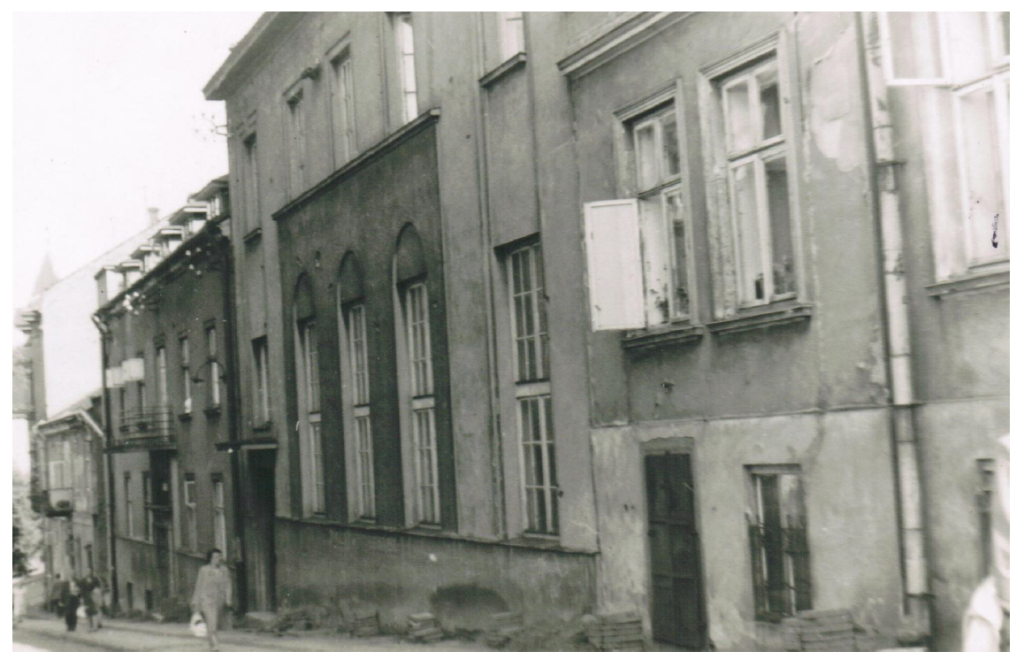
In 1926, Bishop Anatol Nowak of Przemyśl donated a property at 36 Krasiński Street (currently No. 24) to the congregation for elderly and infirm domestic workers. A shelter was established there to provide care for women no longer able to work. Between 1935 and 1938 the facility was expanded and adapted to the needs of its residents.
Social and Educational Activities
The house at Chopin Street served as a center of comprehensive support for women and girls. In addition to employment services, it offered:
- vocational and continuing education courses,
- a library and reading room,
- religious formation and spiritual guidance,
- retreats and educational meetings,
- legal assistance for women involved in disputes with employers,
- support for girls arriving in the city,
- a railway station outreach mission assisting young women seeking employment,
- a small infirmary and outpatient clinic for domestic workers,
- a dining hall providing meals for the poor,
- assistance for orphans and secondary school students.
Numerous organizations and formation groups also operated within the building, including Living Rosary Circles, the Marian Sodality for Women, the Sodality of Teachers and Secondary School Students, and other initiatives promoting religious, social, and patriotic development among the citizens of Przemyśl.
During the Wars
During the First World War, Przemyśl became the scene of heavy fighting associated with the Siege of the Fortress of Przemyśl. The house at Zielona Street served auxiliary functions for wounded soldiers and convalescents. Religious services continued to be celebrated in the chapel, and patients from the infirmary also participated. The sisters were actively involved in assisting people affected by the war.
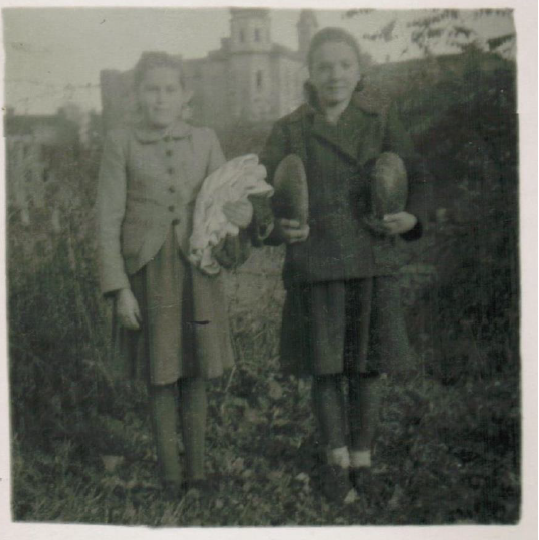
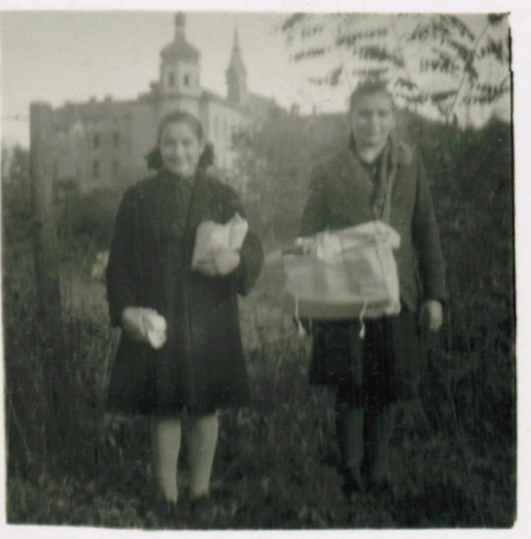
During the Second World War and the occupation period, the congregation continued its charitable activities. The sisters supported poor families, helped those in need, and maintained social assistance programs despite extremely difficult conditions. By operating a laundry service for military personnel, they were able to keep the house functioning while obtaining food and resources that were discreetly redirected to support the poorest residents of the city.
The Communist Era
After the war, when the communist authorities took power, the congregation—like many other religious communities—faced severe restrictions and repression. By decision of the state authorities, the building at Chopin Street was confiscated and subsequently transferred to the Polish Teachers’ Union in 1964.
As a result, the sisters’ activities were significantly limited. Despite losing control of the property, members of the congregation remained in part of the building, continuing catechetical work, religious ministry, and support for poor families. Throughout the communist period they struggled to preserve their presence and continue their social mission.
Return to the Owners
Following the political transformation in Poland, efforts began to recover the confiscated property. The building was ultimately returned to the Congregation of the Servants of Jesus in the early 1990s. After nearly thirty years of use by other institutions, the property was in very poor condition and required extensive renovation.
Thanks to the commitment of the congregation and many supporters, comprehensive restoration works were carried out. On 1 September 1993, educational activities resumed with the opening of the Eleonora Motylowska Girls’ Boarding School. The facility was blessed by Archbishop Józef Michalik on 9 December 1993.
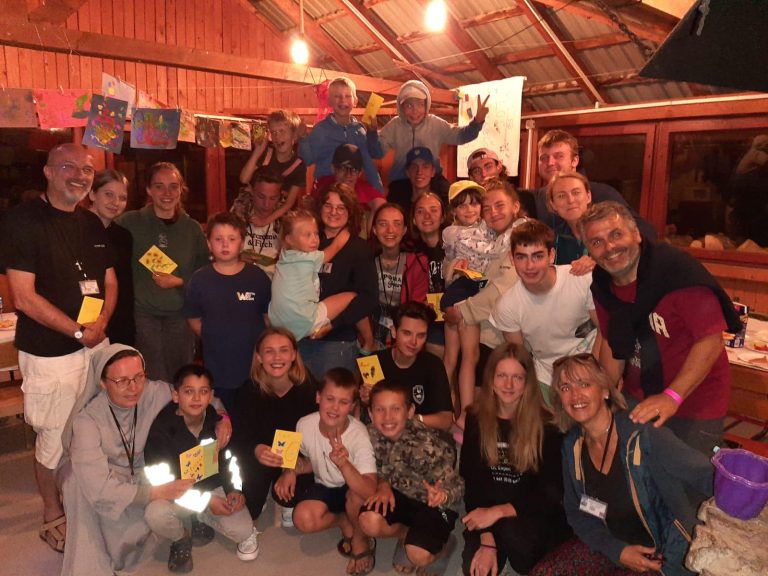
Over the following years, the building continued to serve as a center for educational, pastoral, and social activities. Youth meetings, retreats, religious events, and community initiatives were organized there for the benefit of the people of Przemyśl.
Current Use of the Building
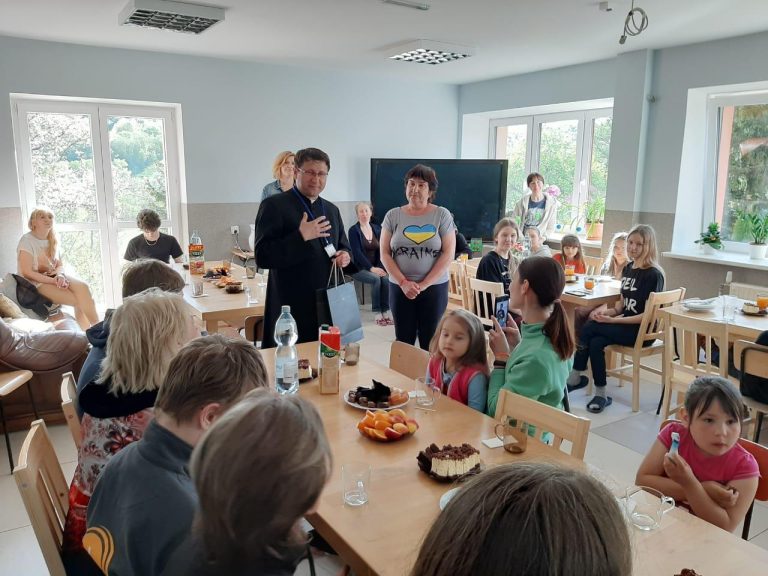
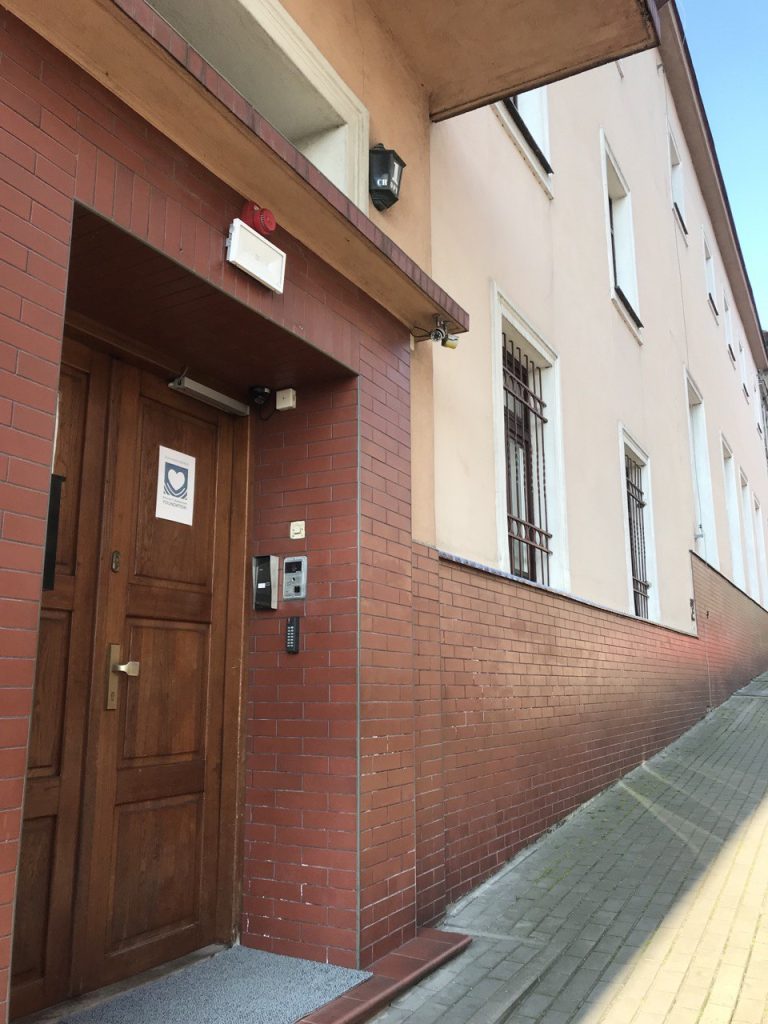
Today, the building remains the property of the Congregation of the Servants of Jesus and is leased to the Pastoral Care for Families Foundation (PFCF), which operates an Official Collective Accommodation Center for Refugees on the premises.
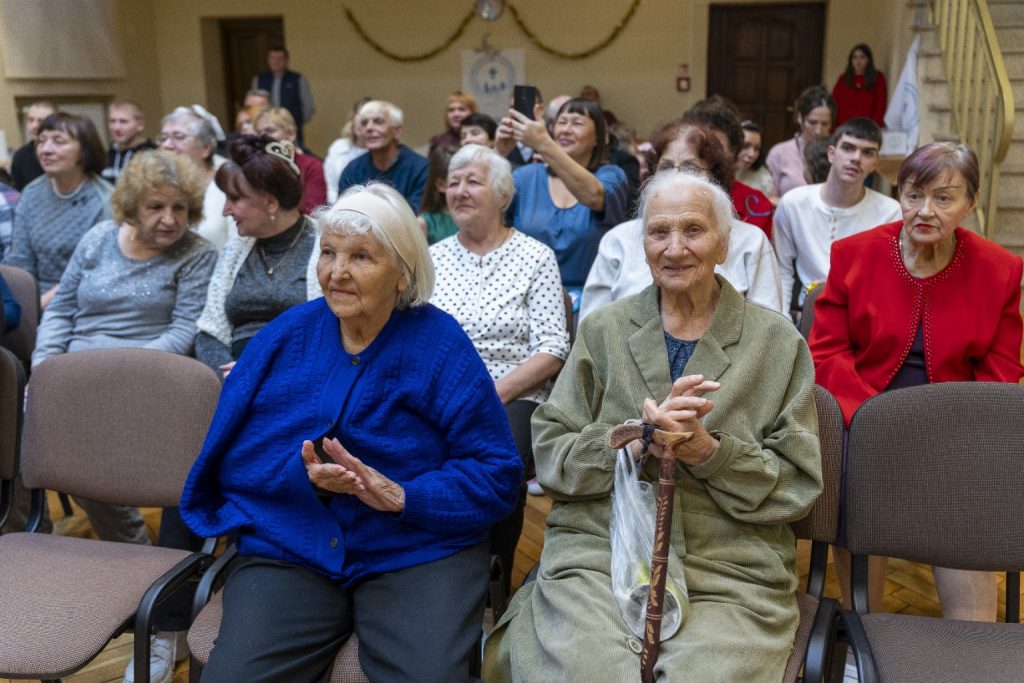
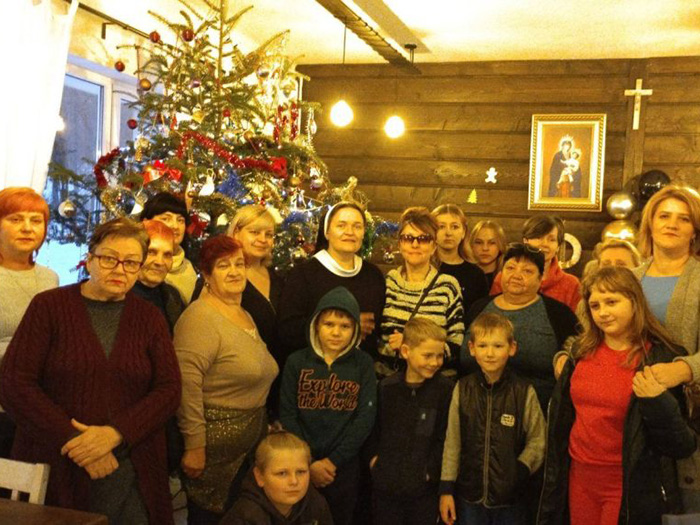
The center is an important component of the regional humanitarian assistance system. Its residents are primarily refugees from Ukraine, including elderly people, persons with disabilities, individuals with chronic illnesses, and single mothers with children.
The facility includes residential rooms, social facilities, a communal kitchen and dining area, administrative offices, educational and integration spaces, and rooms used for psychological, social, and legal assistance. Residents receive not only accommodation and meals but also support in learning Polish, finding employment, accessing healthcare services, and integrating into the local community.

Technical Condition and Modernization Needs
Despite continuous use, the building currently requires substantial modernization. Long-term operation and intensive use during the refugee crisis have created the need to improve safety standards and accessibility.
The most important planned investments include the renovation of approximately 40 residential rooms, modernization of the boiler room, adaptation of the building for people with reduced mobility, refurbishment of common areas, and modernization of the collective catering kitchen.
These improvements will create modern social infrastructure serving both the residents of the center and the wider local community. The modernization will ensure the continuation of more than 120 years of service to people in need and preserve the historic role of the building as a place of support, care, and social integration.
Today, the building at 1 Fryderyk Chopin Street remains a symbol of the mission begun by the Servants of Jesus in 1897—a mission of service to people, especially those facing hardship and seeking safety, support, and an opportunity for a dignified life.